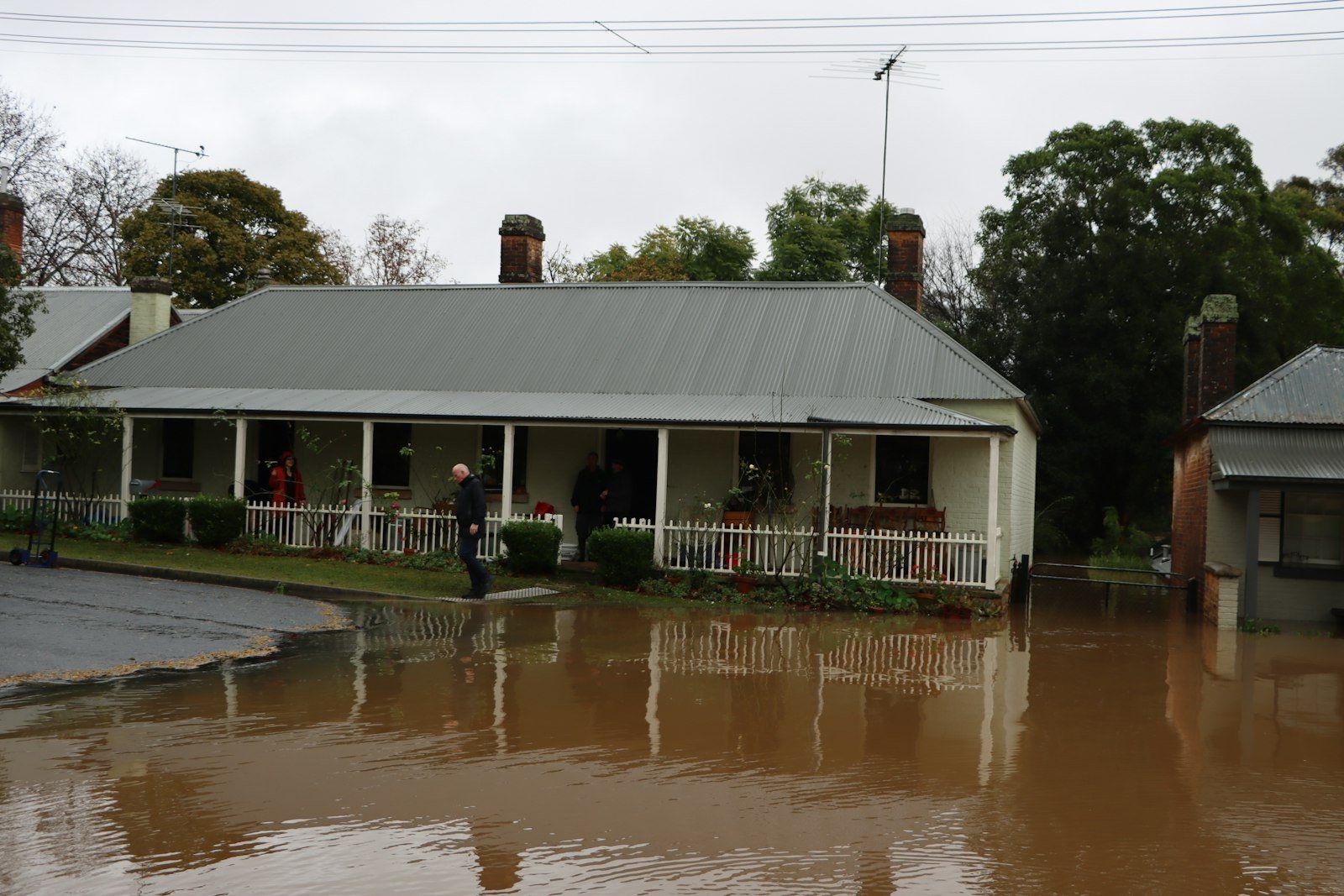
After the storm passes
- Stay out of flooded rooms if the power is on or you cannot see the bottom.
- Check for roof and window leaks, and put out buckets or tarps if you can do it safely.
- Photograph damage outside and in before any cleanup starts.
- Call your insurance company to open a claim, and call for a crew to start drying.
- Keep receipts for tarps, pumps, hotel nights and anything else you spend.
What a storm cleanup crew handles
Storm jobs often mix more than one kind of water. A crew can pump out a flooded basement, dry out ceilings and walls under a roof leak, and tear out materials that sat in floodwater. Water that came in from outside over the ground is treated as contaminated, so porous materials it soaked usually have to come out.
Many restoration companies also tarp roofs and board up broken windows to keep more water from getting in.
Storms and flooding around Omaha
Spring and summer thunderstorms bring most of Omaha's storm calls. An inch or two of rain in an hour is more than streets, gutters and sump pumps can keep up with, and basements fill fast. Wind-driven rain and hail also open up roofs and windows.
The creeks matter too. Papillion Creek and its branches drain much of the metro. After floods in 1964 and 1965, the Army Corps of Engineers built Glenn Cunningham, Standing Bear, Zorinsky and Wehrspann lakes to hold back floodwater, but low ground near the creeks still takes on water in big storms.
Then there is the Missouri River. In March 2019, deep frozen ground, heavy snow and a burst of rain pushed the river to a major flood. A levee broke near Offutt Air Force Base in Bellevue, and floodwater covered about half the runway and around 30 buildings. Most Omaha homes sit well above the river, but the storms that cause river flooding also overload basements across the city.