Why the house is still wet
Mopping and fans dry what you can see. They do not dry the inside of a wall, the subfloor under vinyl, or the sill plate on top of a foundation. Those spots hold water for days or weeks, and mold can start growing in about 24 to 48 hours.
A drying crew uses:
- Moisture meters and thermal cameras to find wet areas behind surfaces.
- Commercial dehumidifiers to pull water out of the air so materials can release it.
- Air movers aimed at wet walls and floors.
- Small holes or removed baseboards to get air into wall cavities without tearing out the whole wall.
They come back to take readings until every area is back to normal.
Signs drying was not finished
- A musty smell that comes back after cleaning.
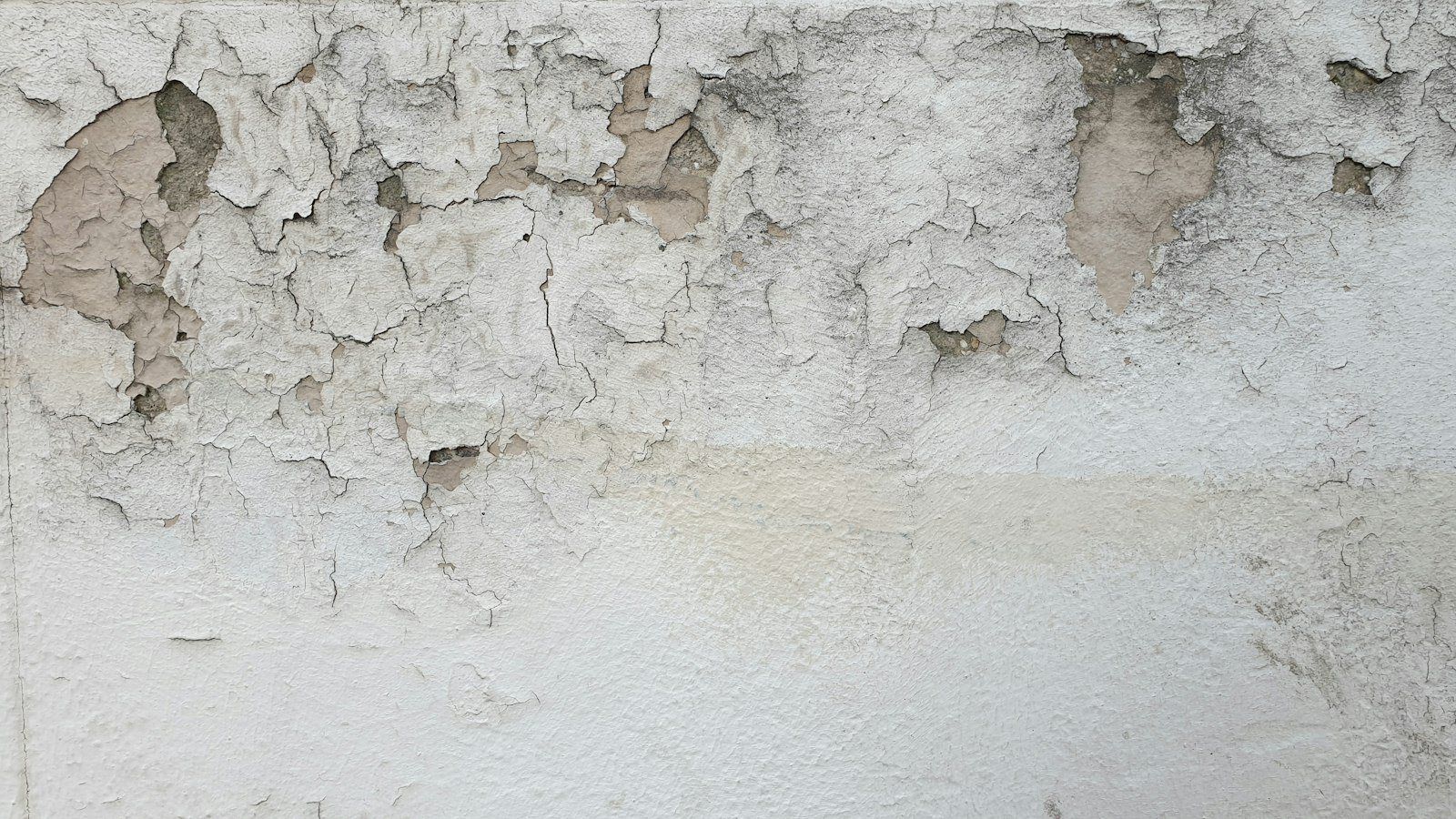
- Paint bubbling or peeling, or baseboards pulling away.
- Spots or staining on drywall, especially near the floor.
- Floors that cup, buckle or feel soft.
If you see any of these after a leak, call. A crew can take readings and tell you whether the structure is still wet.
Drying Omaha houses
Omaha summers are humid, and a basement in July already holds a lot of moisture before any leak. Add a burst pipe or a storm and drying takes longer, because the air itself cannot take on much more water without a dehumidifier pulling it out. Winter has the opposite problem: the air is dry, but cold foundation walls and slabs dry slowly.
Basements are the hardest spaces to dry. Concrete and block soak up water and give it back slowly, and finished basement walls often have insulation and a vapor barrier that trap moisture against the foundation. A crew will usually open the bottom of those walls rather than wait for them to dry on their own.
Older homes in Midtown, Dundee and Benson have plaster walls, hardwood floors and old framing that respond to water differently than new drywall. Ask the crew how they plan to dry those materials before any demolition starts.